
Market leaders in the supply, design and build of lorry and ship-mounted cranes Truck and Marine Cranes Ltd approached Shawton Energy for the installation of a rooftop Solar PV system at their headquarters in Staffordshire.

4
Weeks Installation Time
41,568
kg Of Carbon Saved Annually
103,604
kW Annual Electricity Generation
92.83
kWp Array Output
Project Details
Truck And Marine Cranes LTD
As Truck and Marine Cranes manufacture and build cranes, they use a large amount of energy in doing so; therefore, they wanted to significantly reduce their electricity costs and reliance on the grid for the energy required in their manufacturing process.

Future-proof energy generation
Substantial reduction in electricity bills
Less energy grid dependancy
The Process
Bespoke Solar Solution
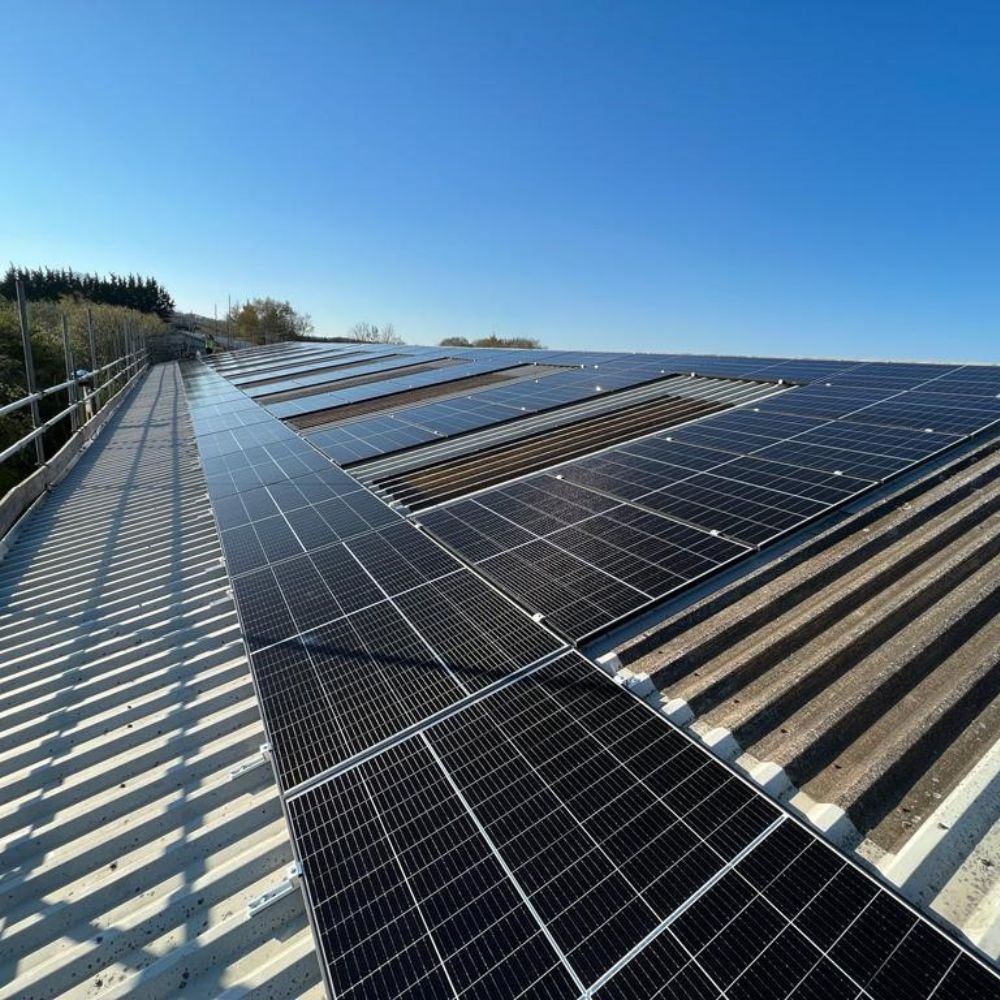
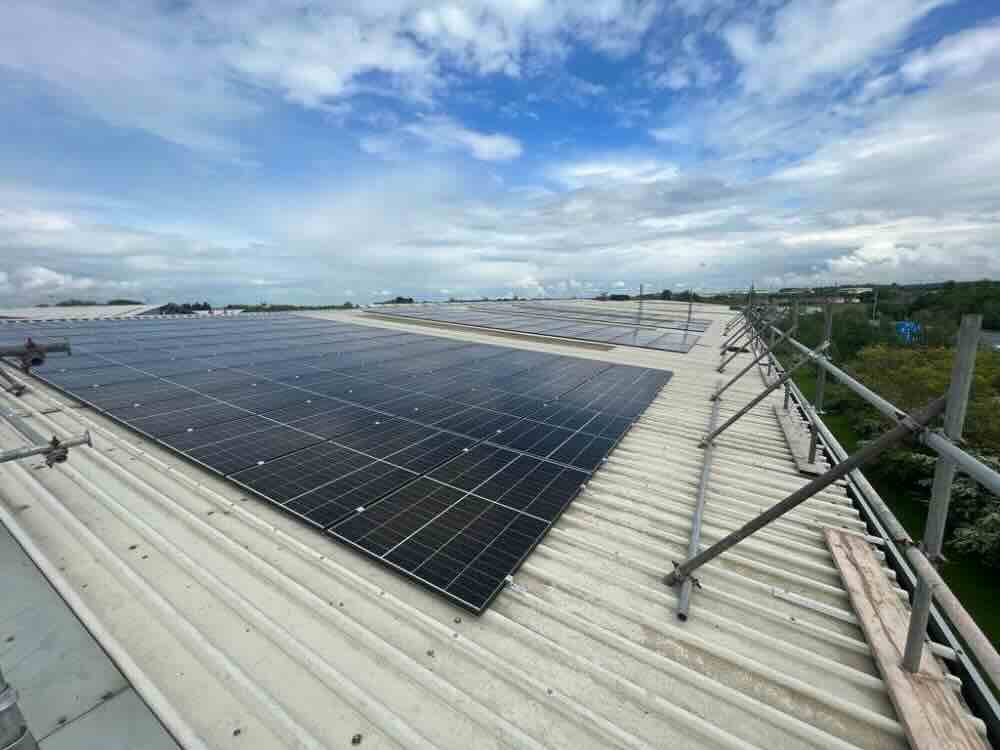
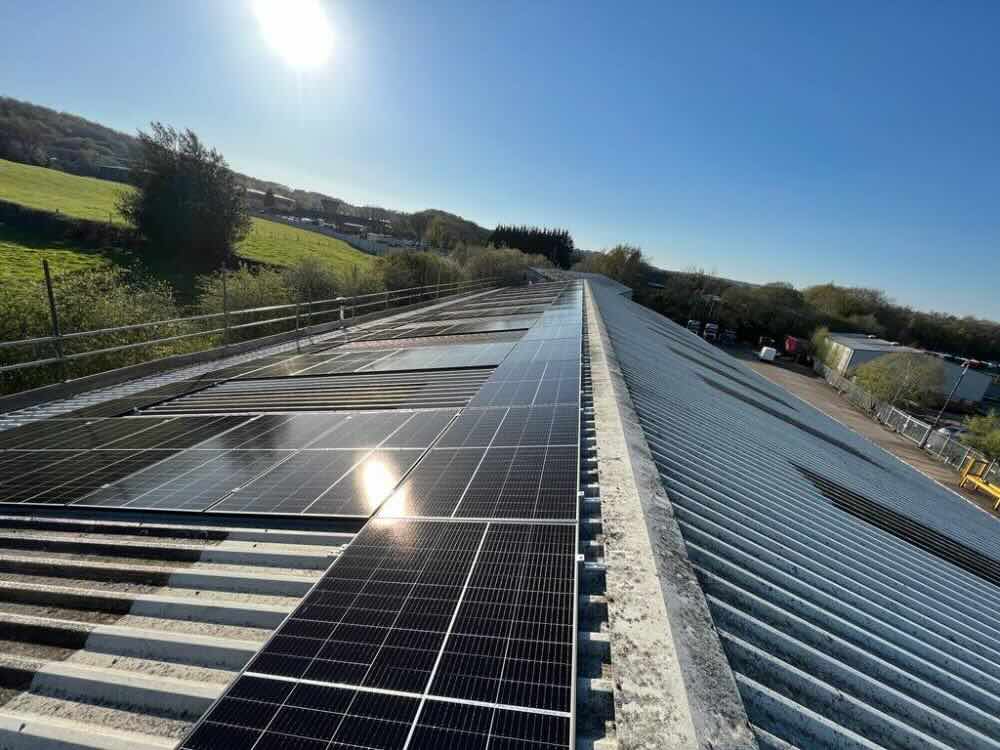
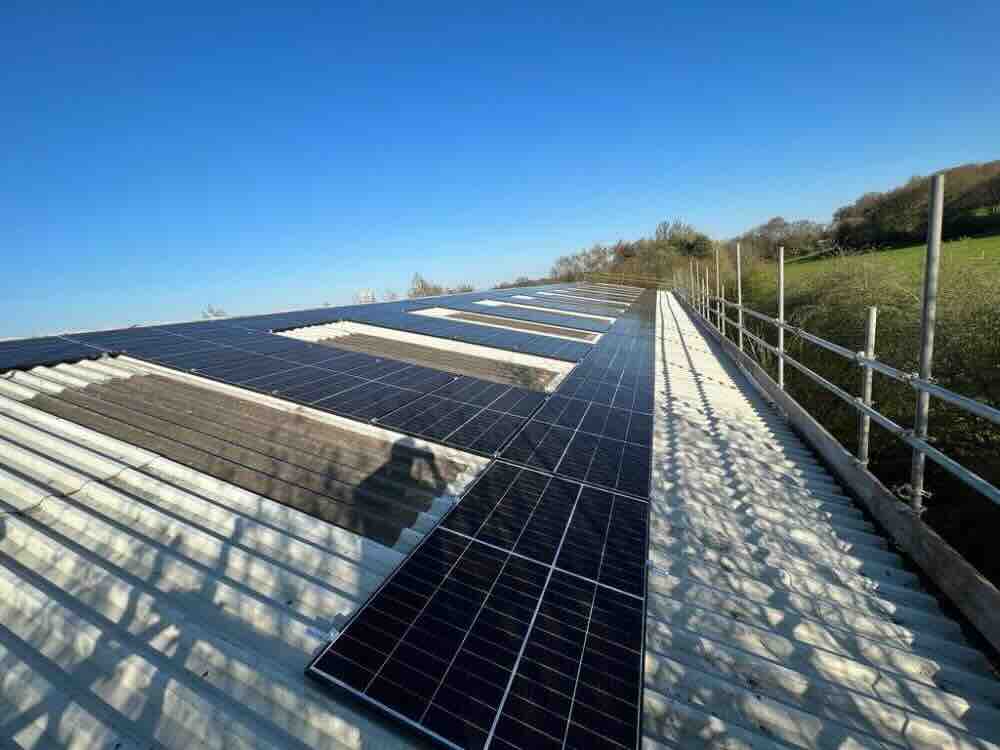
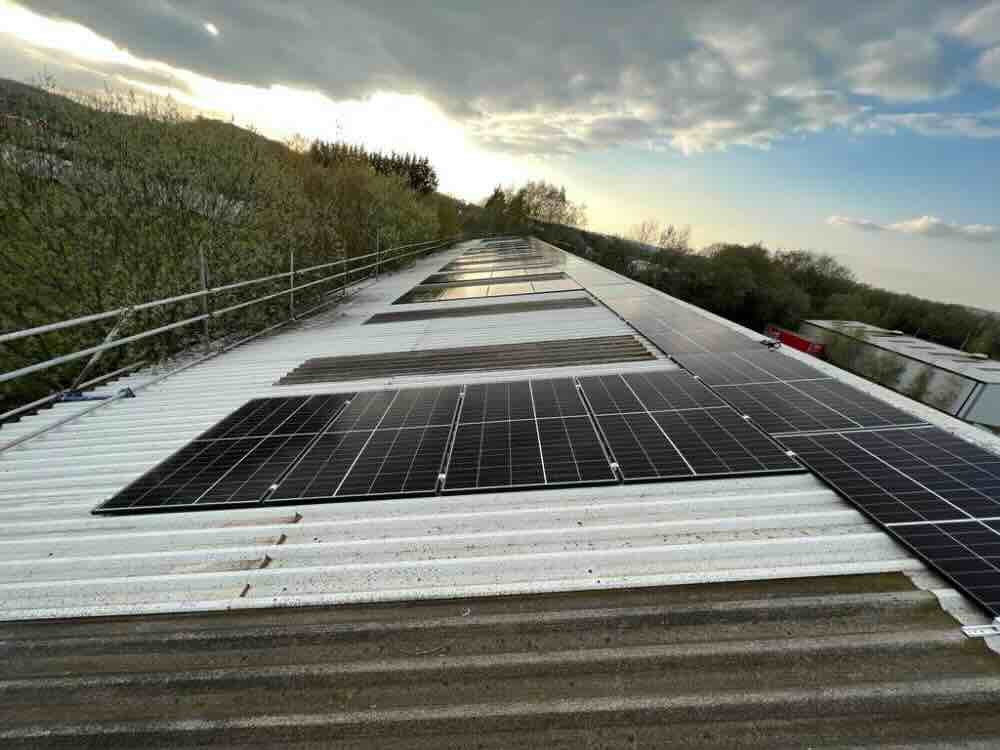
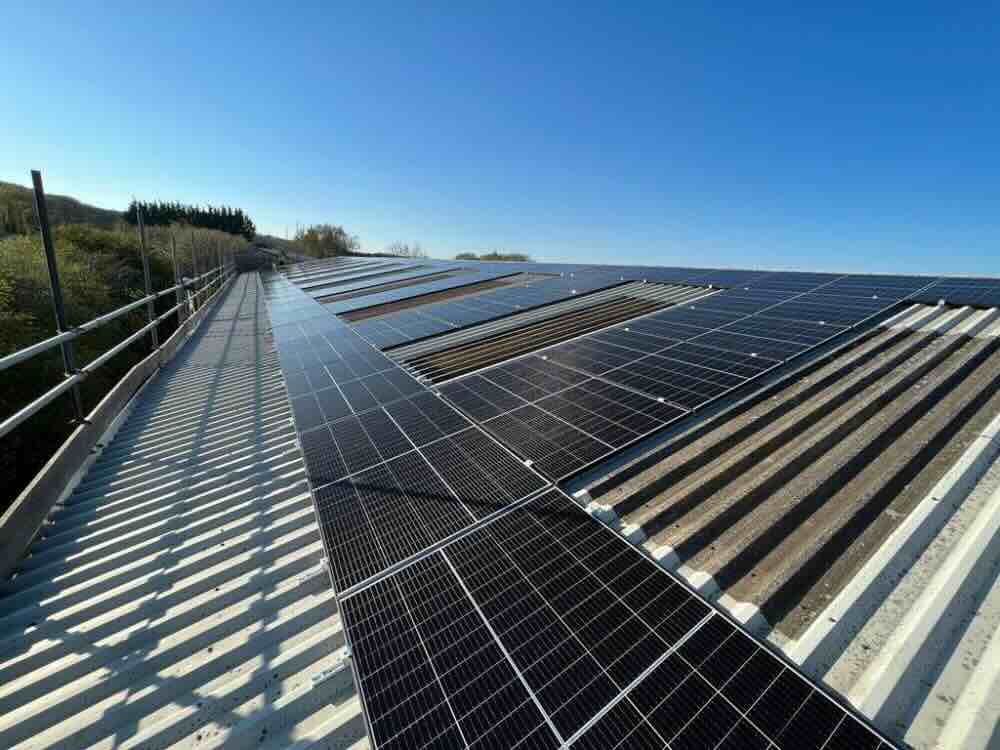
The Truck and Marine Cranes site in Staffordshire was open throughout the rooftop Solar PV system installation, which took four weeks. The system was spread across three different buildings on their extensive site to ensure the maximum size could be achieved to generate as much electricity as possible.
Efficient Installation Process
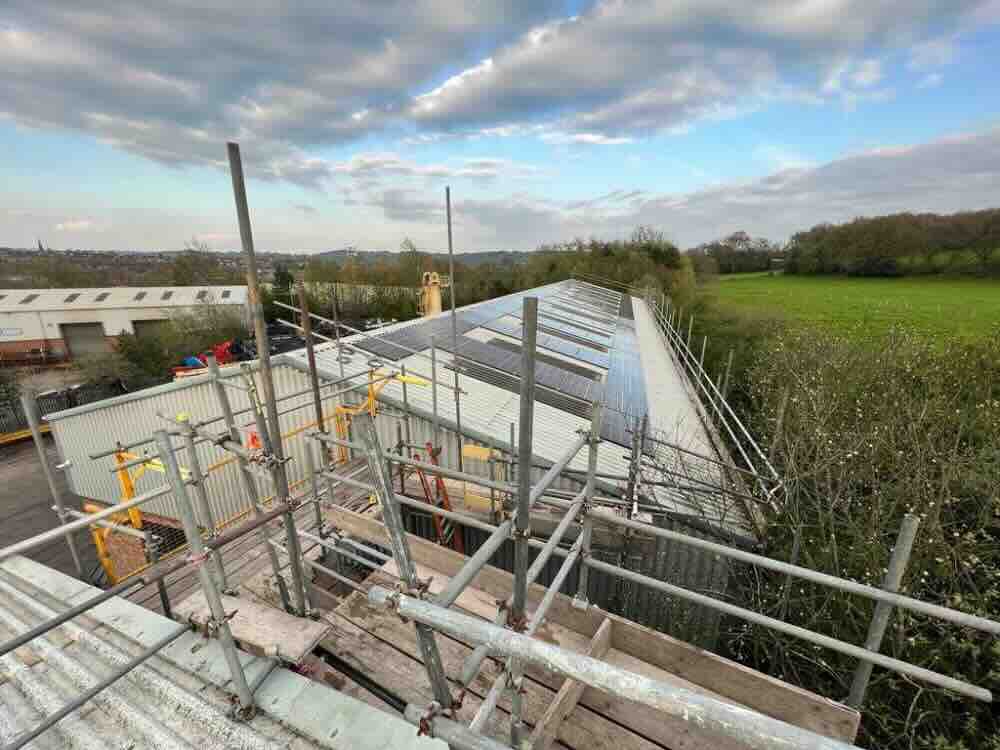
Before installation, we created a full-site compound with scaffold access and handrails to ensure safe access for our installation team. Next, the Shawton Engineering team installed a high-quality Solar PV system comprised of 235 395w Trina Solar Panels, 118 SolarEdge P801 Optimisers and 3 SolarEdge SE 33.3k inverters.
Could your business benefit from solar energy?
The Result
Truck and Marine Cranes are now generating their electricity in a future-proof way, significantly reducing their electricity bills and ensuring their business is not relying heavily on electricity from the National Grid for their manufacturing process.

“The system was spread across three different buildings on their extensive site to ensure the maximum size could be achieved to generate as much electricity as possible.”
Trusted by leading brands:


